Why Connecting Your Dryer Vent to a Kitchen Range Hood Duct is a Safety Hazard: Home Inspection Insight for Arlington, TX
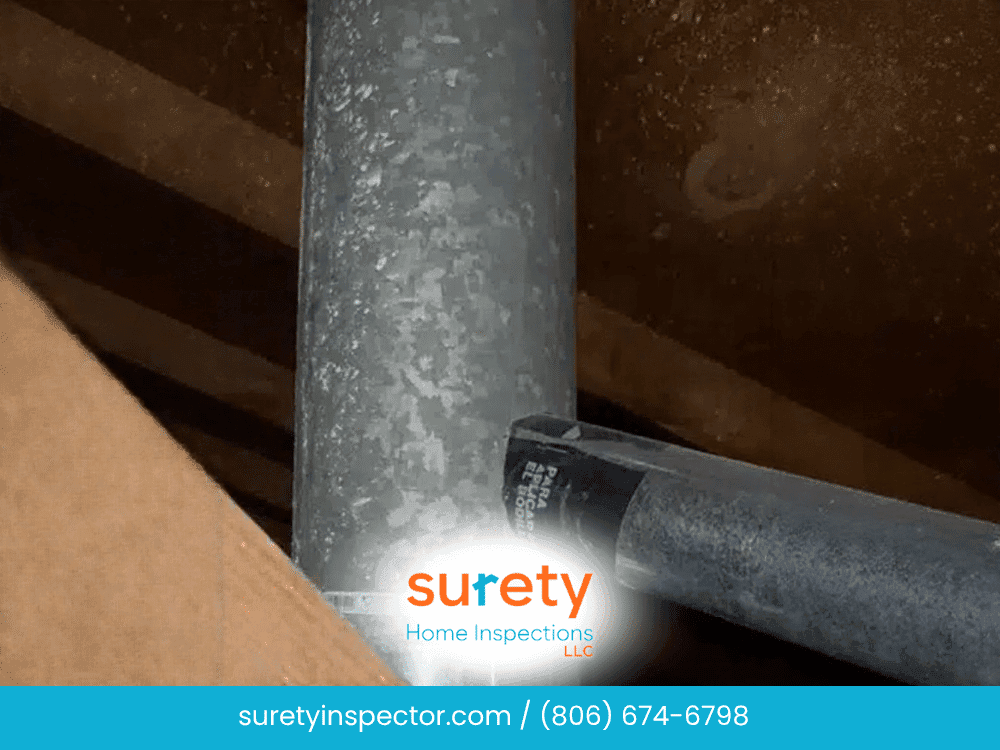 When it comes to maintaining a safe and healthy home, proper ventilation is crucial. Many homeowners may not realize the dangers of improperly connecting a dryer vent to a kitchen range hood duct. At Surety Home Inspections, we believe in ensuring your home is safe from potential hazards, which is why we want to highlight the seriousness of this issue and why it requires immediate attention.
Fire Hazard Risk
One of the primary concerns with connecting a dryer vent to a kitchen range hood duct is the risk of fire. Dryer vents expel lint, a highly flammable substance, along with hot, moist air. Over time, lint accumulates inside the ductwork, increasing the risk of a fire. A kitchen range hood duct, on the other hand, is designed to handle grease, smoke, and cooking fumes—not the high temperatures and moisture from a dryer. When these two systems are connected, the combination of grease from cooking and lint from the dryer creates a perfect fire hazard. The heat from the dryer can ignite the lint, potentially leading to a devastating fire.
Moisture Buildup and Mold Growth
The main purpose of a dryer vent is to expel moist air to the outside of the home. If this moisture is vented into the kitchen range hood duct, it leads to moisture buildup inside the ducts. Over time, this moisture can lead to the growth of mold and mildew within the duct system. These harmful substances not only degrade the integrity of the ductwork but also affect the indoor air quality of your home. Mold growth in ductwork can spread, creating a significant health risk to your family, including respiratory problems and allergies.
Decreased Dryer Efficiency
Another consequence of this improper setup is that it can cause your dryer to operate inefficiently. When the dryer vent is not properly vented outside, the warm, moist air inside the duct system creates back pressure. This restricts the dryer’s airflow, forcing it to work harder to expel moisture from your clothes. As a result, your dryer will run longer cycles, consume more energy, and increase your utility bills. Over time, this added strain on the appliance can shorten its lifespan, leading to costly repairs or replacement.
Health Risks from Poor Air Quality
Connecting the dryer vent to a kitchen range hood duct creates a dangerous situation that circulates poor air quality throughout your home. The range hood duct is designed to vent smoke, grease, and cooking fumes, while the dryer vent releases moist air and lint. The mixture of these elements in a combined duct system can lower the air quality in your home, leading to increased exposure to pollutants. The buildup of grease and lint, as well as the circulation of dirty air, can exacerbate respiratory conditions, allergies, and other health concerns for your family.
Code Violations and Legal Risks
Improper ducting not only presents health and safety risks but can also violate local building codes. According to the International Residential Code (IRC), a dryer vent must have a dedicated exhaust system that leads directly to the outside. Connecting the dryer vent to the kitchen range hood duct is a clear violation of these codes. Surety Home Inspections regularly finds homes with improperly installed ducts. If this issue is discovered during an inspection, the homeowner may face costly repairs or fines to bring the home up to safety standards. Additionally, if a fire were to occur due to this improper installation, it could void the homeowner’s insurance policy, leaving them financially responsible for damages.
Inefficient Ventilation and Airflow Problems
Range hood ducts and dryer vents serve distinct purposes and have different design specifications. Dryer vents are typically large-diameter ducts designed to handle high volumes of moisture-laden air, while range hood ducts are smaller, designed for the removal of smoke and fumes. When these two systems are combined, they restrict airflow and create ventilation problems. Both the dryer and the range hood will struggle to operate effectively, leading to inefficiencies in both appliances. The dryer may not expel enough moisture, and the range hood may fail to remove kitchen smoke and grease properly. This leads to higher energy consumption and a greater risk of appliance failure.
The Importance of Home Inspections
At Surety Home Inspections, we emphasize the importance of regular home inspections to ensure your home is safe and up to code. If you’re in the Arlington, TX area, our team can provide a thorough inspection of your ventilation systems to identify any hazards. During our inspection, we check for common safety concerns, such as improperly connected dryer vents and kitchen range hood ducts. Our goal is to catch these issues before they become major problems that compromise the safety of your home and your family.
“We chose Jantson because of the stellar reviews, and he somehow exceeded all expectations. Twice. He was impressively knowledgeable, very prompt with all communication, incredibly thorough with the inspections, super kind, and patiently walked us through all of our questions more than once. He ended up finding something on the first inspection that caused us to walk away from that home altogether. He then rearranged his personal plans to do another inspection for us when we went under contract on a different house the very next day. Our timelines were so thin, and the amount of stress he was able to alleviate by being so kind as to do that for us was priceless. We have bought/sold homes many times, and this was the best experience we have ever had with an inspector. His report is complete with pictures and videos, and the tech is easy to manage. There is absolutely no reason he should not always be booked for weeks at a time. 5 stars are not enough for this review. Hire him.” ~Marc Harris, Happy Home Buyer
The Solution: Proper Venting
If your dryer vent is connected to the kitchen range hood duct, immediate correction is necessary. A licensed professional should disconnect the two systems and install a proper, dedicated dryer vent system that vents directly to the outside. This will improve the efficiency of both the dryer and the range hood while reducing the risk of fire, mold, and poor air quality.
Why Surety Home Inspections?
At Surety Home Inspections, we understand the importance of ensuring your home is safe and well-maintained. Serving Arlington, TX, and the surrounding areas, our team provides expert home inspections that cover everything from structural integrity to ventilation systems. With a commitment to high standards, we provide thorough, detailed inspections that give you peace of mind.
Connecting a dryer vent to a kitchen range hood duct is an unsafe and inefficient practice that can cause fire hazards, moisture buildup, poor air quality, code violations, and increased energy consumption. It’s essential to fix this issue as soon as possible by ensuring that your dryer vent system is properly installed and vented to the outside. If you are concerned about the safety and efficiency of your home’s ventilation systems, contact Surety Home Inspections today to schedule an inspection. We are dedicated to ensuring that your home is safe, compliant, and operating at its best.