If you are buying a home in the Dallas–Fort Worth area, a sewer scope can provide information that a standard inspection cannot.
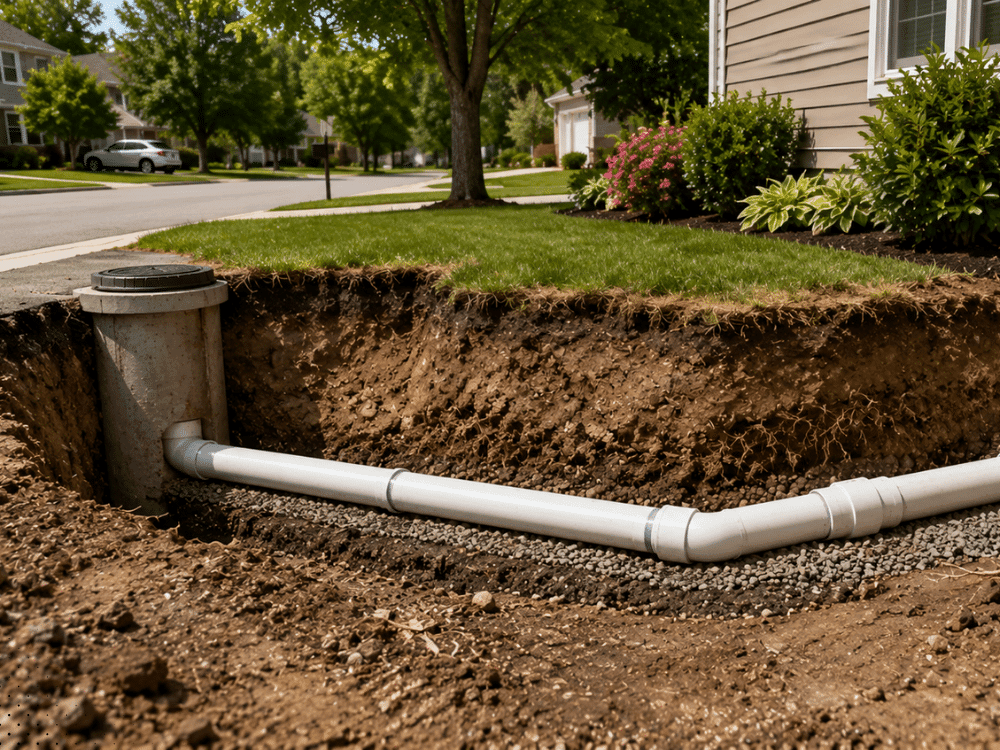
The sewer lateral runs underground from the home toward the municipal sewer system. Because the pipe is buried, its interior is not visible during a standard inspection of the foundation, attic, plumbing fixtures, or mechanical systems.
A sewer scope inspection provides a direct camera view of the accessible portion of that line. It may reveal roots, corrosion, cracks, blockages, displaced joints, or sections that do not drain as intended.
Quick answer: A sewer scope inspection in DFW is a valuable due-diligence option for older properties, homes with mature trees, and houses with an unknown sewer-line history. Newer homes may also benefit when installation quality or construction debris is a concern.
What Is a Sewer Scope Inspection?
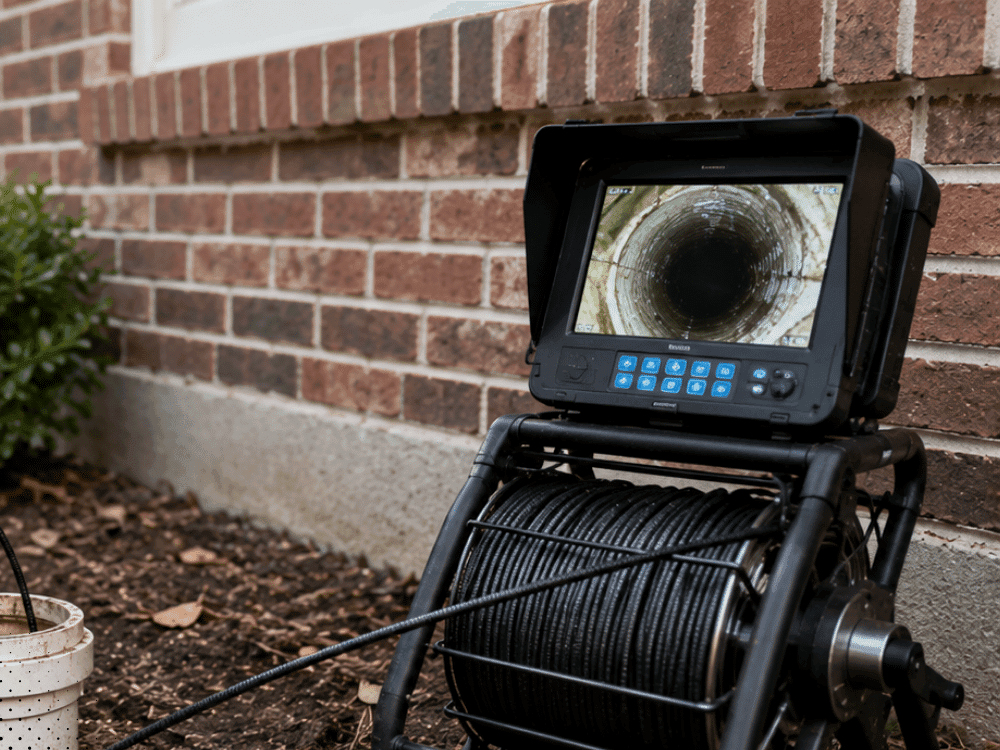
A sewer scope is a camera inspection of the home’s accessible sewer lateral.
The inspector inserts a flexible camera through an available cleanout or another suitable access point. The camera is then moved through the line while the inspector reviews the live video.
The inspection may help document:
- The visible pipe material
- Interior corrosion or deterioration
- Root intrusion
- Cracks and fractures
- Offset or separated joints
- Standing water
- Low or sagging sections
- Grease, debris, or other blockages
- Sections that appear restricted or collapsed
A sewer scope is generally an add-on service rather than part of a standard home inspection. Buyers should request it when scheduling their appointment.
You can learn more about the process on Surety’s sewer scope inspection page.
Why Do Sewer Scope Inspections Matter in North Texas?
DFW includes homes from many construction periods. Some established neighborhoods contain properties built several decades ago. Other areas include recently completed homes and active new developments.
Older properties may still contain original sewer lines made from aging pipe materials. Years of use, corrosion, soil movement, and nearby tree growth may affect those lines.
North Texas soil also changes as moisture levels rise and fall. Clay-rich soil can expand during wet periods and contract during dry weather. That movement may place stress on buried plumbing lines and pipe connections.
However, age alone does not determine sewer condition. Some older lines continue to function well, while newer lines may have installation or grading concerns.
The camera provides property-specific information. It is more useful than making assumptions based only on the year the home was built.
Can Newer Homes Have Sewer-Line Concerns?
Yes. A newer property does not automatically have a clear or properly installed sewer lateral.
A sewer scope on a newer home may reveal:
- Construction debris left inside the pipe
- Improper connections
- Displaced joints
- Standing water caused by poor slope
- Pipe damage from construction activity
- Soil or other material entering the line
- Restrictions near the municipal connection
These conditions are not present in every new home. Still, the camera can provide added documentation before closing or a builder walkthrough.
Buyers can request a sewer scope alongside a pre-purchase home inspection so the visible home systems and accessible sewer line are reviewed during the same inspection period.
What Does a Sewer Scope Commonly Find?
Root Intrusion
Roots may enter through small openings, loose joints, or damaged pipe sections. As roots grow, they can restrict flow and collect waste or debris.
Root intrusion may also indicate an opening that deserves further evaluation by a licensed plumber.
Corrosion and Pipe Deterioration
Some older metal sewer lines corrode from the inside. The pipe may still carry waste while showing scaling, rough interior surfaces, thinning, or visible deterioration.
A sewer scope documents what the camera can see. A plumber should determine whether cleaning, repair, or replacement is appropriate.
Cracks and Offset Joints
Soil movement, age, settlement, or installation conditions may cause pipe sections to crack or shift out of alignment.
An offset joint can restrict flow and create a location where debris or roots collect.
Low Spots and Bellies
A low section may hold standing water instead of maintaining consistent drainage. The significance depends on the depth, length, pipe condition, and amount of retained water.
A licensed plumber can provide further evaluation when the camera shows a notable low area.
Blockages and Debris
Grease, waste, foreign materials, construction debris, or heavy buildup may reduce the usable pipe opening.
Some restrictions may be addressed through cleaning. Others may be related to damaged or deteriorated pipe sections.
Does a Sewer Scope Confirm That the Line Needs Replacement?
Not by itself.
A sewer scope documents visible conditions inside the accessible section of the line. It does not provide destructive testing, engineering analysis, or a guarantee of future performance.
When the inspection shows a concern, the buyer may be advised to contact a licensed plumber. The plumber can determine whether cleaning, repair, further testing, or replacement is appropriate.
Access can also affect the inspection. The camera may not pass through a severe blockage, sharp bend, damaged section, or inaccessible cleanout.
The report should clearly explain how much of the line was viewed and whether any limitations were present.
Can Buyers Use the Findings Before Closing?
Sewer-scope findings can provide useful information during the buyer’s inspection or option period.
Depending on the contract and the findings, a buyer may:
- Request additional evaluation by a plumber
- Ask the seller for available repair records
- Obtain repair or replacement estimates
- Discuss repair requests or credits
- Plan future maintenance
- Reconsider the purchase
The inspector does not decide what the buyer should request or whether the purchase should continue. Buyers should review their options with their real estate agent and qualified contractors.
How Much Does a Sewer Scope Inspection Cost?
Pricing varies by inspection company, property location, access, pipe length, and whether the service is bundled with a home inspection.
Contact Surety Home Inspections with the property address for an accurate quote. Avoid relying on a general online price range because each home and access point may be different.
The purpose of the service is to provide information before closing. Buyers can then compare the inspection fee with the value of understanding the line’s visible condition.
When Should You Schedule a Sewer Scope?
Request the service when you schedule the standard home inspection. This helps coordinate access and keeps the inspection work within the buyer’s contract timeline.
A sewer scope may be especially helpful when:
- The home is older
- Mature trees are near the sewer route
- The pipe material is unknown
- The seller reports past backups
- Drains are slow
- Plumbing repairs have been completed
- The home has been vacant
- Foundation or soil movement has occurred
- The property is newly constructed
- Sewer repair records are incomplete
No single condition proves that the line has a defect. These factors simply provide reasons to gather more information.
Sewer Scope Inspections Across the DFW Mid-Cities
Surety Home Inspections serves buyers across Bedford, Hurst, Arlington, Euless, and nearby DFW communities.
Buyers can review local inspection information for:
- Home inspections in Bedford, TX
- Home inspections in Hurst, TX
- Home inspections in Arlington, TX
- Home inspections in Euless, TX
Each city contains homes of different ages, construction styles, and maintenance histories. A sewer scope provides information about the specific property rather than relying on broad assumptions about the neighborhood.
Why Choose Surety Home Inspections?
Jantson McAffrey is an InterNACHI Certified Professional Inspector and Texas Professional Real Estate Inspector, TREC #26094.
Surety Home Inspections provides residential inspections and specialty services throughout the DFW Mid-Cities. Clients receive documented findings, clear explanations, and inspection reports designed to be easy to review.
A sewer scope can be coordinated with the buyer’s home inspection when access and scheduling allow.
Frequently Asked Questions About Sewer Scope Inspections in Bedford, TX
Is a sewer scope included in a standard home inspection?
No. A standard home inspection evaluates visible and accessible systems, but the underground sewer line cannot be fully viewed from the home. A sewer scope is an additional inspection that uses a camera to examine the accessible sewer lateral.
What does a sewer scope inspection look for?
A sewer scope may reveal corrosion, root intrusion, cracks, damaged pipe walls, offset joints, blockages, and low sections where waste can collect. It may also help identify the pipe material and general condition of the accessible line.
Which Bedford homes should have a sewer scope inspection?
A sewer scope can benefit any buyer, but it is especially useful for older Bedford homes. Properties built before the mid-1980s may still have original cast iron sewer lines that have been exposed to decades of use and soil movement.
Why are sewer lines a concern in North Texas?
North Texas clay soil expands and contracts as moisture levels change. This movement can place pressure on underground sewer pipes. Older or corroded lines may be more vulnerable to cracks, shifted joints, low spots, and other defects.
How long does a sewer scope inspection take?
The time varies based on the clean-out location, accessibility, pipe length, and line condition. In many cases, the sewer scope can be completed during the same appointment as the buyer’s home inspection.
Can a sewer scope determine whether the line needs replacement?
A sewer scope documents visible conditions inside the accessible portion of the line. It may show concerns that warrant cleaning, repair, or further evaluation. A licensed plumber should determine the appropriate repair method and provide replacement estimates when needed.
Can buyers use sewer scope findings during negotiations?
Buyers may review documented sewer findings with their real estate agent during the option or inspection period. Depending on the contract and findings, they may request additional evaluation, repairs, credits, or other terms.
Schedule a DFW Sewer Scope Inspection
A sewer scope offers a direct view of an important part of the property that is otherwise underground and out of sight.
Schedule your inspection online through Surety Home Inspections or call or text (806) 674-6798.
Ask to add a sewer scope when booking so the service can be coordinated with your home inspection.