 Buying or selling a home in Tarrant County requires a clear understanding of the property’s condition. Based on real inspection patterns across Fort Worth, Bedford, and surrounding areas, certain issues appear more frequently due to local construction styles, soil conditions, and climate.
This 2026 report highlights the most common defects found during home inspections in Tarrant County, helping buyers and homeowners make more informed decisions.
Why These Findings Matter for Homebuyers
A professional inspection provides insight into the true condition of a home beyond what is visible during a showing. In areas like North Texas, factors such as expansive clay soil, seasonal storms, and prolonged heat can influence how homes age over time.
If you’re purchasing in the area, understanding these trends can help you better prepare. You can also learn more about home inspections in Fort Worth TX and how local conditions impact properties, or explore home inspections in Bedford TX for nearby housing insights, or review home inspection Euless TX services for additional perspective across the Mid-Cities area.
Most Common Defects Found in Tarrant County Homes
Based on inspection trends, the following issues are frequently observed:
1. Foundation Movement and Settlement
Foundation movement is one of the most common findings in Tarrant County homes.
- Often caused by expansive clay soil
- Soil expands when wet and contracts during dry periods
- Can result in cracks in walls, ceilings, or exterior brick
While not all movement indicates structural failure, patterns should always be evaluated carefully.
2. Drainage and Grading Concerns
Improper drainage can allow water to collect near the foundation.
- Negative grading toward the home
- Clogged or poorly directed gutters
- Standing water after heavy rain
Over time, this can contribute to foundation stress and moisture-related issues.
3. Roof Wear and Aging Materials
Due to intense Texas sun and seasonal storms, roofing materials often show wear.
- Shingle deterioration from UV exposure
- Flashing wear around vents and penetrations
- Signs of past repairs or patchwork
Roof condition is one of the most important systems evaluated during a home inspection.
4. HVAC System Aging and Performance
Cooling systems in North Texas operate under extended demand.
- Older units may show reduced efficiency
- Airflow inconsistencies
- Ductwork issues in older homes
In many homes, HVAC systems approach replacement age earlier due to climate stress.
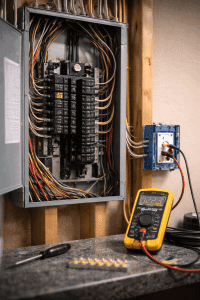
5. Electrical System Updates Needed
In homes built prior to modern standards, electrical systems may require updates.
- Outdated panels or wiring methods
- Missing safety features like GFCI protection
- Improper modifications over time
These findings are common in homes built between the 1970s–1990s.
6. Attic Ventilation and Insulation Issues
Attics in older homes may lack proper airflow or insulation.
- Heat buildup in summer months
- Uneven insulation coverage
- Moisture retention concerns
Proper ventilation plays a key role in energy efficiency and roof lifespan.
Inspection Data Snapshot (Tarrant County Trends)
 Based on observed inspection patterns:
- Foundation-related concerns: ~40% of homes
- Drainage issues: ~30% of homes
- Roofing wear: ~25% of homes
- HVAC performance concerns: ~20% of homes
These numbers are not exact measurements but reflect consistent trends seen during inspections across the region.
What Tarrant County Home Defects Mean for Fort Worth and Bedford Buyers
Homes in Fort Worth and Bedford share many of the same environmental influences:
- Expansive soil conditions
- High summer temperatures
- Seasonal rainfall patterns
Because of this, buyers should expect to see some of these conditions during inspections. The key is understanding whether findings are minor maintenance items or indicators of larger concerns.
Homebuyers and sellers across Tarrant County may experience different property conditions depending on the city, age of the home, and local construction style. Surety Home Inspection LLC provides home inspection services in Bedford, Hurst, Euless, Fort Worth, Arlington, and nearby communities to help clients better understand the visible condition of the property.
Expert Insight from Local Inspections
Across Tarrant County, many homes reflect a mix of original construction and partial updates.
It is common to find:
- New roofing installed over older structures
- Updated HVAC systems paired with aging ductwork
- Electrical upgrades alongside legacy wiring
A thorough inspection helps identify how these systems work together and whether additional evaluation may be beneficial.
No home is perfect, especially in a region with changing soil and climate conditions like North Texas. However, identifying common patterns allows buyers and homeowners to make informed decisions and plan for maintenance over time.
This data-based overview provides a clearer picture of what to expect when purchasing a home in Fort Worth, Bedford, and the greater Tarrant County area.